Greenville Mold Testing
Greenville Mold Testing: Protecting Your Home & Indoor Air Quality
If you’re searching for Greenville mold testing, chances are you’ve noticed a musty smell, moisture in your crawlspace, or visible staining on walls or ceilings. Mold is common in Upstate South Carolina due to humidity, crawlspace construction, and seasonal moisture conditions.
Professional mold testing helps determine whether mold is present, what types are present, and whether indoor air quality is being affected.
Why Mold Testing Is Important in Greenville, SC
Greenville’s warm climate, high humidity, and frequent rainfall create ideal conditions for mold growth. Homes with crawlspaces, older insulation, roof leaks, or poor drainage are especially vulnerable.
Common conditions that contribute to mold growth include:
- Moisture intrusion in crawlspaces
- Poor ventilation and high indoor humidity
- Plumbing leaks or roof leaks
- Wet insulation or wood framing
- Improver grading and drainage around the home
Testing helps identify problems early before structural damage or indoor air concerns develop.
Signs You May Need Mold Testing
Homeowners often schedule mold testing when they notice:
✔ Musty or earthy odors
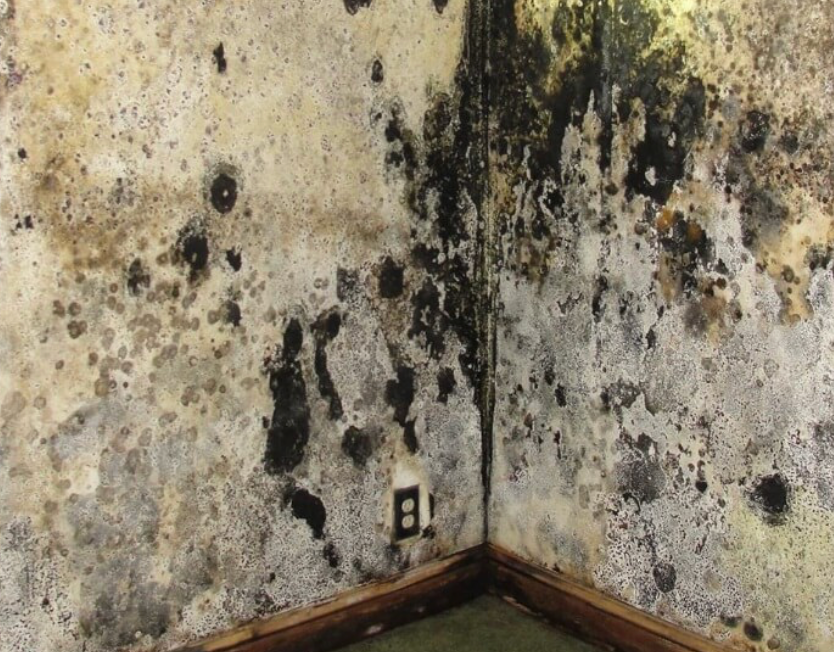
✔ Visible staining or discoloration on surfaces
✔ Water intrusion or past flooding
✔ Allergy-like symptoms indoors
✔ Condensation or high humidity levels
✔ Mold concerns during a real estate transaction
Even when mold is not visible, airborne spores can impact indoor air quality.
Our Greenville Mold Testing Process
Professional mold testing goes beyond simply looking for visible growth. A thorough evaluation includes moisture detection and air quality sampling.
1. Moisture & Visual Inspection
We inspect crawlspaces, attics, HVAC systems, and interior living areas for:
- Moisture intrusion
- Water staining or deterioration
- Wet insulation or microbial growth conditions
- Ventilation deficiencies
2. Air Sampling (Indoor vs. Outdoor Comparison)
Air samples are collected to compare indoor spore levels to exterior air.
This helps determine:
- Whether indoor mold levels are elevated
- Whether indoor air quality is impacted
- If further remediation or moisture correction is needed
3. Surface Sampling (If Needed)
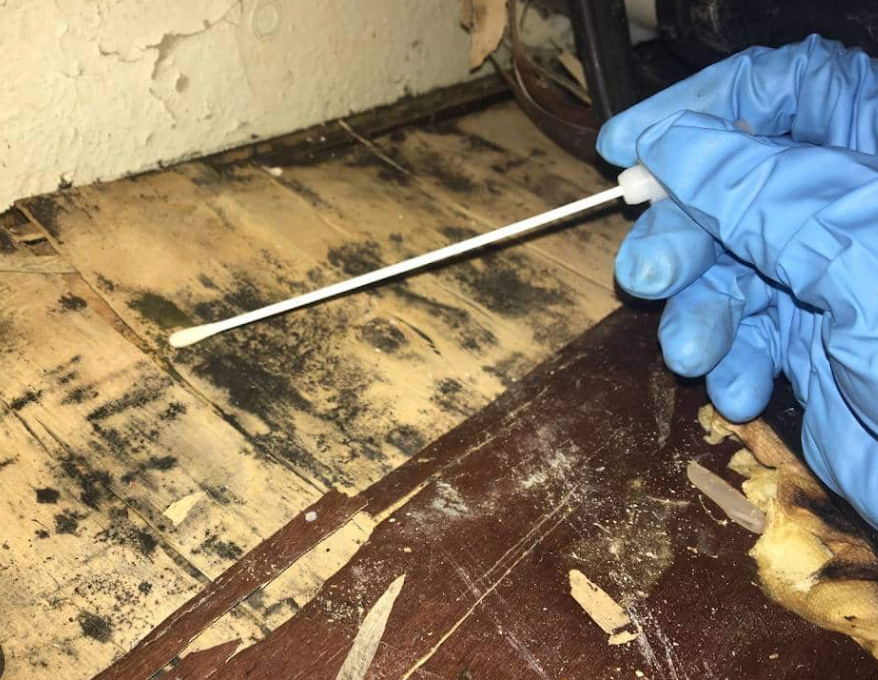
Swab or tape samples may be collected from suspicious areas to identify mold types.
4. Certified Laboratory Analysis
Samples are analyzed by an accredited laboratory to identify common spores such as:
- Aspergillus/Penicillium
- Cladosporium
- Basidiospores
- Stachybotrys (water-damage indicator mold)
5. Clear, Easy-to-Understand Report
You receive a professional report explaining:
- Indoor vs. outdoor spore comparison
- Whether conditions are typical or elevated
- Moisture sources and contributing factors
- Recommendations for correction and prevention
Call us today to schedule your mold testing - 864-334-6922
You might also like